
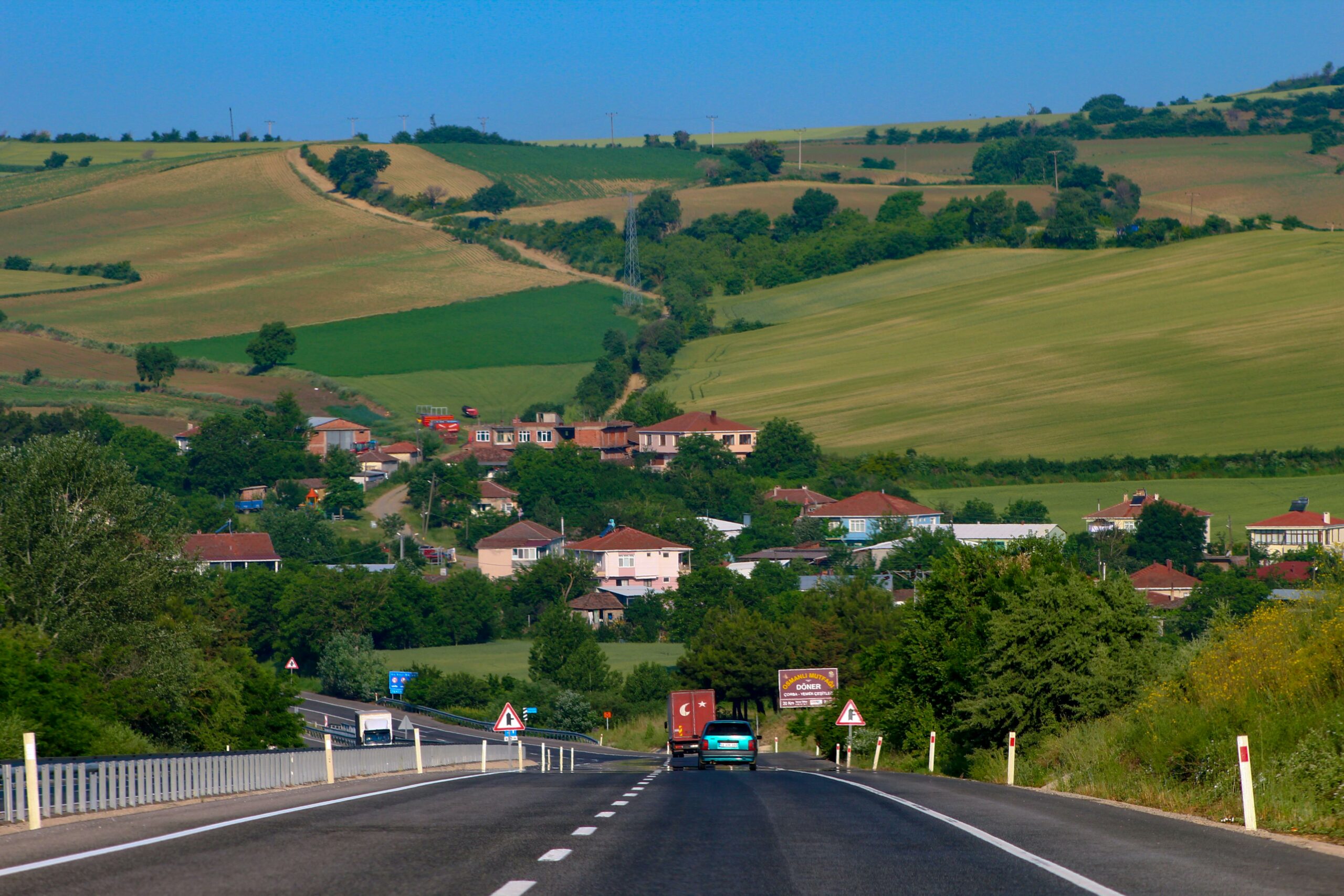
Ten days in the Basque Country. Sounds doable, right ? And honestly, it is – but only if you plan it with a bit of intention. Because this region has a way of making you waste entire afternoons in a harbour town eating grilled fish and suddenly it’s 7pm and you haven’t moved. Not a complaint. Just a warning.
A Region Like No Other
The Basque Country straddles the French-Spanish border in a way that feels almost defiant – it has its own language, its own culture, its own food scene that puts most of Europe to shame. If you want a solid starting point before diving into the logistics, https://www.tourisme-pays-basque.com covers the French side in detail and is genuinely useful for finding events, local producers and lesser-known villages worth a detour.
Where to Start : Biarritz or San Sebastián ?
This is the first decision you’ll face and it actually matters. Most people flying in will land in Biarritz (France) or Bilbao (Spain). Both are great entry points but they set a very different tone.
Start in Biarritz if you want that Atlantic surf energy from day one. The Grande Plage is genuinely beautiful, the old port neighbourhood is charming without being too touristy, and there are good campsites within 10 minutes of the centre if you’re travelling by van or tent.
Start in Bilbao if you’re more into culture and food. The Guggenheim is worth a half day easily, the Casco Viejo is lively, and Bilbao feels underrated compared to how good it actually is. I find it gets overlooked because San Sebastián gets all the glory – but Bilbao has something real to it.
Personally, I’d suggest starting in Biarritz and finishing in Bilbao. The route flows naturally west to east along the coast, with a gradual shift from the more relaxed French side to the more intense, flavourful Spanish side.
Days 1–2: Biarritz and the Côte Basque
Arrive, breathe, decompress. Biarritz is the kind of place where even a slow morning walk along the coastal path feels like a win. The Rocher de la Vierge is a classic viewpoint – worth it at sunset, avoid midday in summer when it’s packed.
From Biarritz, it’s a short drive south to Saint-Jean-de-Luz, a genuinely lovely fishing town with a protected bay that’s unusually calm for Atlantic coast standards. The Tuesday and Friday markets are excellent. The tuna here is serious business – this is one of the main ports for albacore tuna in France.
Days 3–4: Into the Basque Interior – La Rhune and the Villages
Most road trippers stick to the coast. That’s their loss. The Basque hinterland is where the landscape gets properly dramatic and the villages feel untouched.
La Rhune is a mountain on the French-Spanish border, 905 metres high, accessible by a vintage rack railway from the Col de Saint-Ignace. The train is slow and brilliant and the views at the top stretch from the Atlantic to the Pyrenees on a clear day. Worth every minute.
From there, explore the villages of Ainhoa, Espelette and Sare. Espelette especially – it’s famous for its red peppers (the Piment d’Espelette, which has a protected designation of origin) and the strings of drying peppers hanging from white-and-red facades are genuinely one of those images that stays with you.
Days 5–6: San Sebastián – Two Days Is the Minimum
Don’t rush San Sebastián. Just don’t. Two days is the absolute minimum and even then you’ll feel like you missed things.
The pintxos bars in the Parte Vieja are the obvious draw and yes, they live up to the hype. The system is simple : you grab what’s on the bar, order a drink, pay as you go. Prices are reasonable – typically €2–3 per pintxo. Go early (around 7pm when they’re freshly made), go to multiple bars, don’t fill up at the first one.
La Concha beach is as good as everyone says. The old town is compact and walkable. And if you have legs for it, the hike up Monte Urgull takes about 30 minutes and gives you a view of the whole bay that’s hard to beat.
One thing that surprised me : San Sebastián is genuinely a small city. You can walk almost everywhere. Don’t bother with the car for two days – park it and forget it.
Days 7–8: The Spanish Basque Coast – Zarautz, Getaria, Zumaia
This stretch of coastline between San Sebastián and Bilbao is one of the most underrated drives in northern Spain. The GR-121 coastal walking path runs along much of it, but even by car it’s spectacular.
Zarautz has one of the longest beaches in the Basque Country and a strong surf culture – it regularly hosts stages of the World Surf League. Getaria is a tiny fishing village with a medieval old town and some of the best grilled fish you’ll eat anywhere. The local wine is txakoli – slightly sparkling, very dry, poured from a height to aerate it. Try it with anchovies. You’ll understand.
Zumaia is worth a stop for the flysch – dramatic stratified rock formations along the coast that look almost too structured to be natural. There’s a boat tour that gets you close to the cliffs, which is impressive even if you’re not particularly into geology.
Days 9–10: Bilbao – End on a High
Bilbao deserves more than a rushed finale. Plan to arrive on day 9 with enough time to explore the Casco Viejo (old town) properly. Seven streets – the Siete Calles – form the heart of it, lined with bars, shops and a market hall (the Mercado de la Ribera) that’s worth an hour easily.
Day 10: the Guggenheim. Even if contemporary art isn’t your thing, the building itself is worth it. Frank Gehry’s titanium-clad structure beside the river is just genuinely one of the most striking pieces of architecture in Europe. Give it a full morning.
Then : one last meal, one last txakoli, and whatever flight or train is taking you home.
Practical Notes for the Road

Getting around : A rental car is the most flexible option, especially if you want to reach the inland villages. The French and Spanish motorway networks connect smoothly across the border, though Spanish tolls can add up.
Camping : There are good campsites along the French Basque coast, particularly around Saint-Jean-de-Luz and Hendaye. The Spanish side has fewer official sites near the coast, so book ahead in July and August – they fill fast.
Language : Basque (Euskara) is spoken across the region but French and Spanish work everywhere without issue. A few words of Basque (eskerrik asko = thank you) go a long way with locals.
Budget : The French Basque Country is not cheap. San Sebastián and Bilbao are very reasonable by Western European standards – a pintxos dinner for two with drinks rarely exceeds €40–50.
Best time to go : May–June and September are ideal. July and August are busy and hot. October is genuinely lovely if you don’t mind the odd rainy day – the light is different and the crowds are gone.
Final Thought
The Basque Country is one of those places that rewards slowing down. The temptation is to tick off every town on the list – and maybe you will, in 10 days. But the moments that actually stay with you will probably be the unexpected ones. A conversation at a bar. A cliff path you found by accident. A bowl of marmitako in a village where no one spoke English.
That’s what road trips are for.