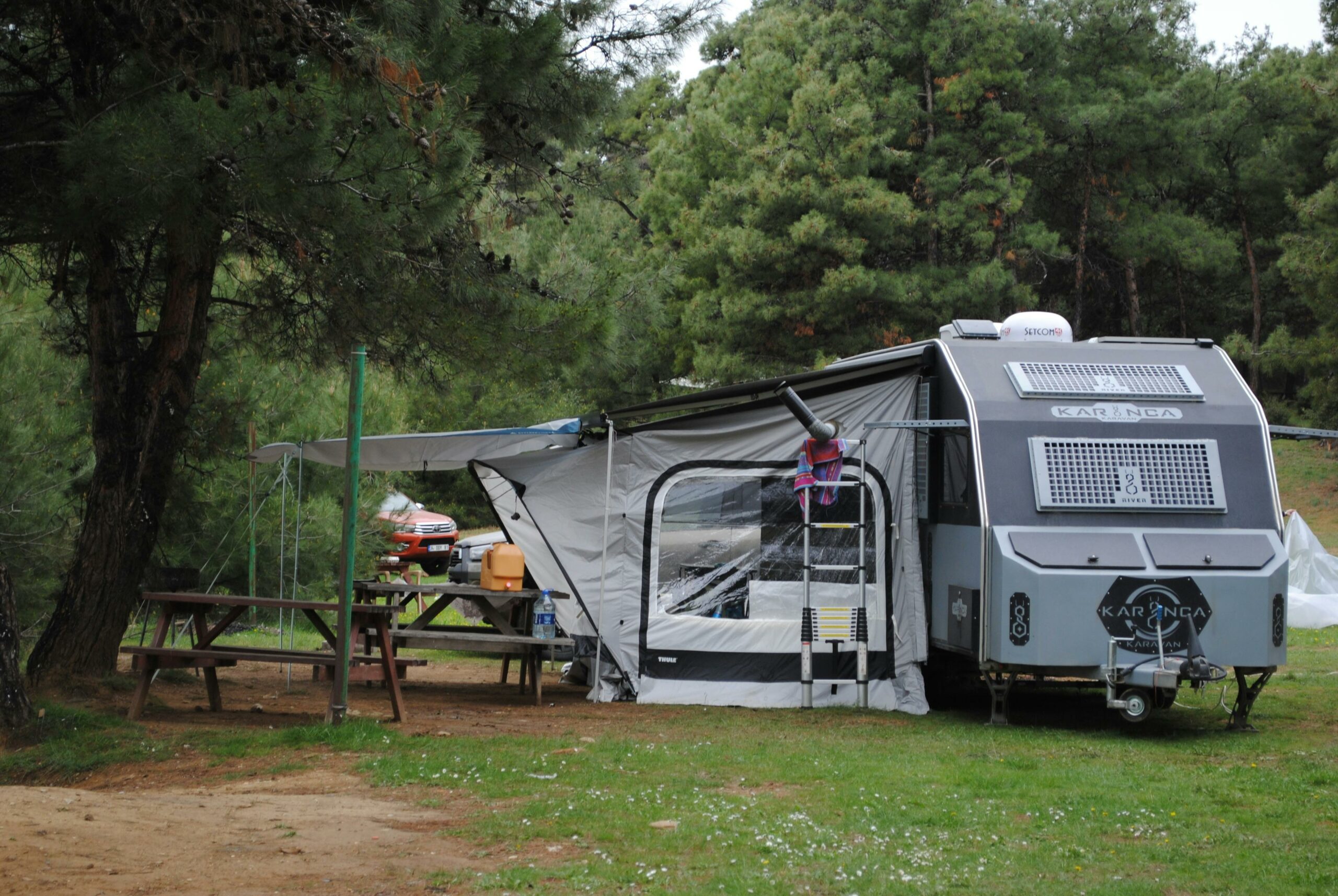
So you’ve decided to go camping alone. Maybe your friends were busy, maybe you just wanted to prove something to yourself – either way, good call. Solo camping is honestly one of those experiences that surprises you. You think it’ll be scary or lonely, and then you’re sitting next to your fire at 9pm watching the stars and wondering why you didn’t do this sooner.
Why Going Solo Changes Everything
But let’s be real : going solo means there’s nobody to bail you out if you forget something important. No one to share the tent pegs when you’ve left yours in the car, no one to lend you a lighter. That’s why preparation matters more than ever. If you’re planning a trip abroad or somewhere remote, it’s also worth bookmarking a resource like https://sos-voyage.fr – useful for handling unexpected situations on the road, from medical emergencies to last-minute logistics.
Right. Let’s get into it.
Start With the Mindset, Not the Gear List
Seriously. Before you buy anything or pack anything, ask yourself : where am I actually going ? A campsite with facilities 20 minutes from a village is a very different beast from wild camping in the Scottish Highlands. Both are valid. Both require different levels of preparation.
For a first solo trip, I’d honestly recommend starting somewhere semi-organised. A campsite with at least basic amenities – toilets, maybe a tap. Not because you can’t handle the wild, but because it gives you a safety net while you figure out your own rhythm. You can always push further next time.
The Kit : What You Actually Need (and What You Don’t)
Here’s the thing – most beginners either overpack massively or forget three crucial things. Let’s try to avoid both.
The non-negotiables :
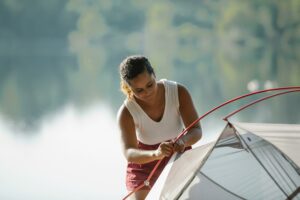
A tent that’s actually been pitched before. Don’t leave that for the first night in the dark at 10pm. Practice in the garden.
A sleeping bag rated for the right temperature. If you’re camping in the UK in April, a summer bag rated to +10°C is going to make for a very long night.
A sleeping mat or pad. People underestimate this. The cold comes from the ground, not the air.
A headtorch – not just a phone torch. Hands-free matters more than you’d think when you’re trying to find your tent zip at 2am.
Water. Either a 2-litre bottle minimum, or a filter if you’re camping near natural sources.
A basic first aid kit. Plasters, antiseptic, painkillers, blister patches. Nothing fancy, but you’ll be grateful.
Things people always forget :
Toilet paper (and a way to dispose of it properly)
A small towel – microfibre ones pack down to almost nothing
Matches or a lighter, plus a backup
Cash, if you’re heading somewhere rural
Things you probably don’t need for a first trip :
A full camp kitchen setup. A single gas burner and one pot is more than enough.
A camping chair, table, solar lantern, and all the rest. Keep it light. You can add comfort later.
Choosing Your Location
This is where solo camping gets interesting. In Scotland, wild camping is actually legal under the Land Reform Act – you can pitch almost anywhere as long as you follow the Scottish Outdoor Access Code. That’s pretty rare in Europe and something worth knowing.
In England and Wales, wild camping is technically not legal on private land without permission, though in practice many people do it responsibly in remote areas with no issues. Always check before you go. If you’re going to a designated campsite, book ahead in summer – some popular spots fill up weeks in advance.
For a first solo trip, somewhere within mobile signal range is a smart move. Not because you’ll need it constantly, but just in case.
Safety When You’re On Your Own
Let’s not pretend this isn’t something that crosses your mind. Going solo means thinking about safety a bit more carefully – and that’s fine, it’s just sensible.
A few basics :
Tell someone where you’re going and when you expect to be back. A simple text with your planned location is enough.
Download an offline map. Apps like Maps.me or OS Maps work without signal.
Know the weather forecast before you arrive – conditions in the hills can change fast.
If something feels off about a location – trust that instinct. Move on.
Honestly ? Most solo campers will tell you the reality is far calmer than the anxiety beforehand. Wildlife in the UK is not going to hurt you. The main risks are weather and simple mistakes – both very manageable with a bit of preparation.
The Evening Routine : This Is Actually the Best Part
Once you’ve set up camp, eaten something, and the light starts to drop – this is when solo camping really delivers. No one to make small talk with. No phone calls. Just you, the sound of wind through trees, or maybe a river nearby.
I’d suggest bringing something small to do : a book, a notebook, a podcast downloaded offline. Not because you’ll be bored, but because it’s nice to have the option. Some nights you’ll barely touch it. Others you’ll read for two hours straight and sleep better than you have in months.
Your Solo Camping Checklist – Quick Version
Before you leave, run through this :
Tent + pegs + poles (yes, check the poles separately)
Sleeping bag appropriate for the season
Sleeping mat
Headtorch + spare batteries
Water (at least 2 litres) or a filter
Food for all meals + snacks
Gas stove + fuel + lighter + backup lighter
First aid kit
Phone fully charged + portable charger
Offline maps downloaded
Someone notified of your plans
Toilet paper + trowel if wild camping
Layers – always more than you think you need
One Last Thing
The first night alone in a tent can feel a bit strange. Noises seem louder, the dark feels darker. That’s completely normal. By night two, you’ll barely notice. And by the time you’re packing up to head home, there’s a solid chance you’ll already be thinking about where to go next.
That’s the thing about solo camping – it gets under your skin in the best possible way.